



A New International Vision for Italian Language Education
The IALC Salerno 2026 Conference highlighted the growing role of ASILS schools in shaping educational tourism, cultural mobility, and international cooperation.
There are moments when an entire sector pauses, reflects, and looks ahead to its future.
The annual IALC 2026 Conference, hosted in Salerno by Accademia Italiana, an ASILS member school, was undoubtedly one of those moments.
This major international event returned to Italy after several years — the last edition held in the country took place in Bologna in 2018 at the school ALCE — and, for the first time, it was organised in Southern Italy.
It was a historic occasion that brought the heart of the international language travel sector back to Italy.
From 15 to 19 April 2026, Salerno became a global crossroads for educational tourism and international dialogue.
A global crossroads in Southern Italy
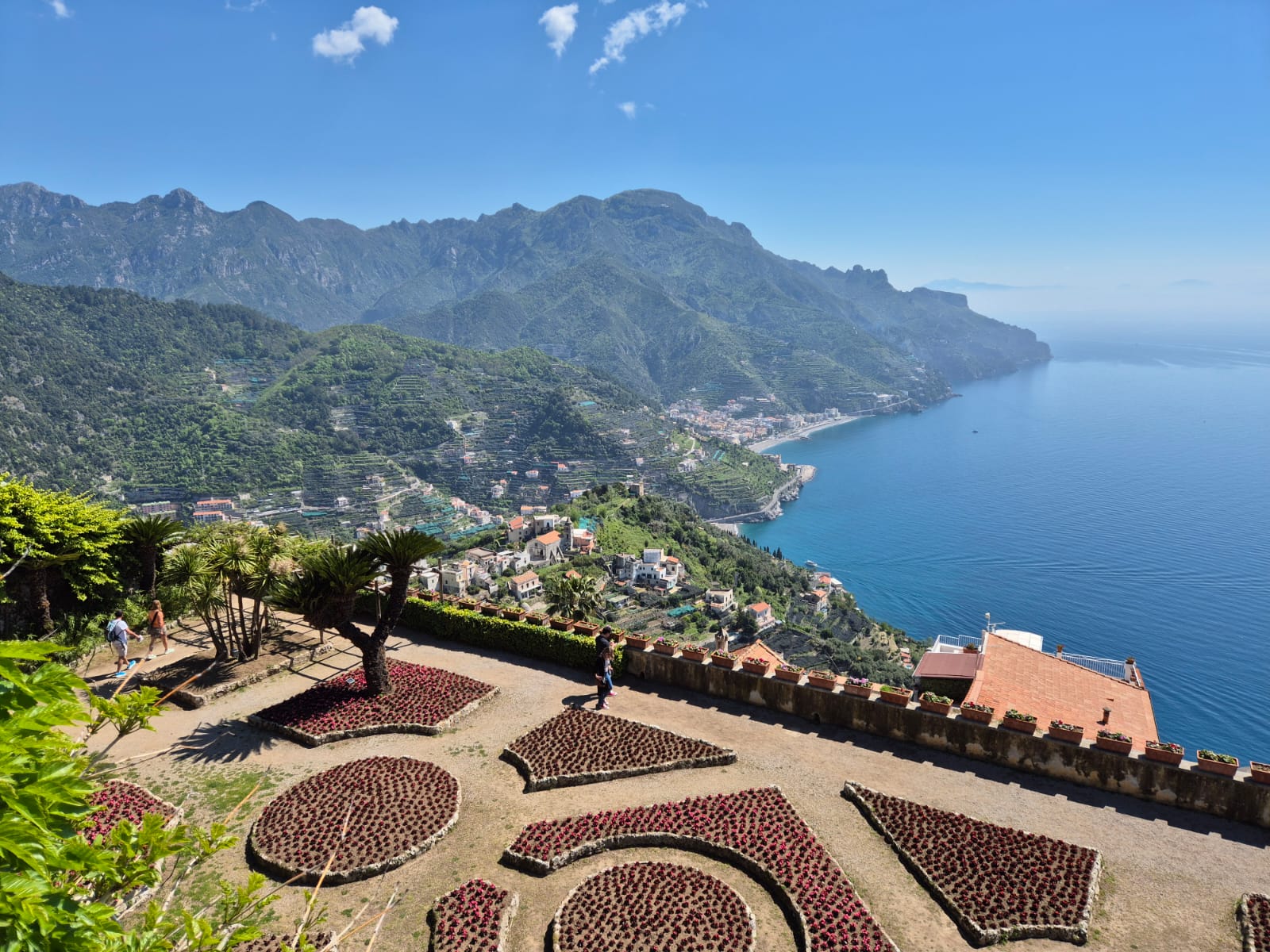
More than 260 delegates from 41 countries, including 96 schools, 106 international agencies, and professionals from across the sector gathered in Salerno, taking part in almost 2,500 B2B meetings that generated new collaborations and strengthened existing relationships.
Within the IALC network, the majority of the Italian schools represented were ASILS member schools, helping create a meaningful bridge between local identity and the international educational landscape.
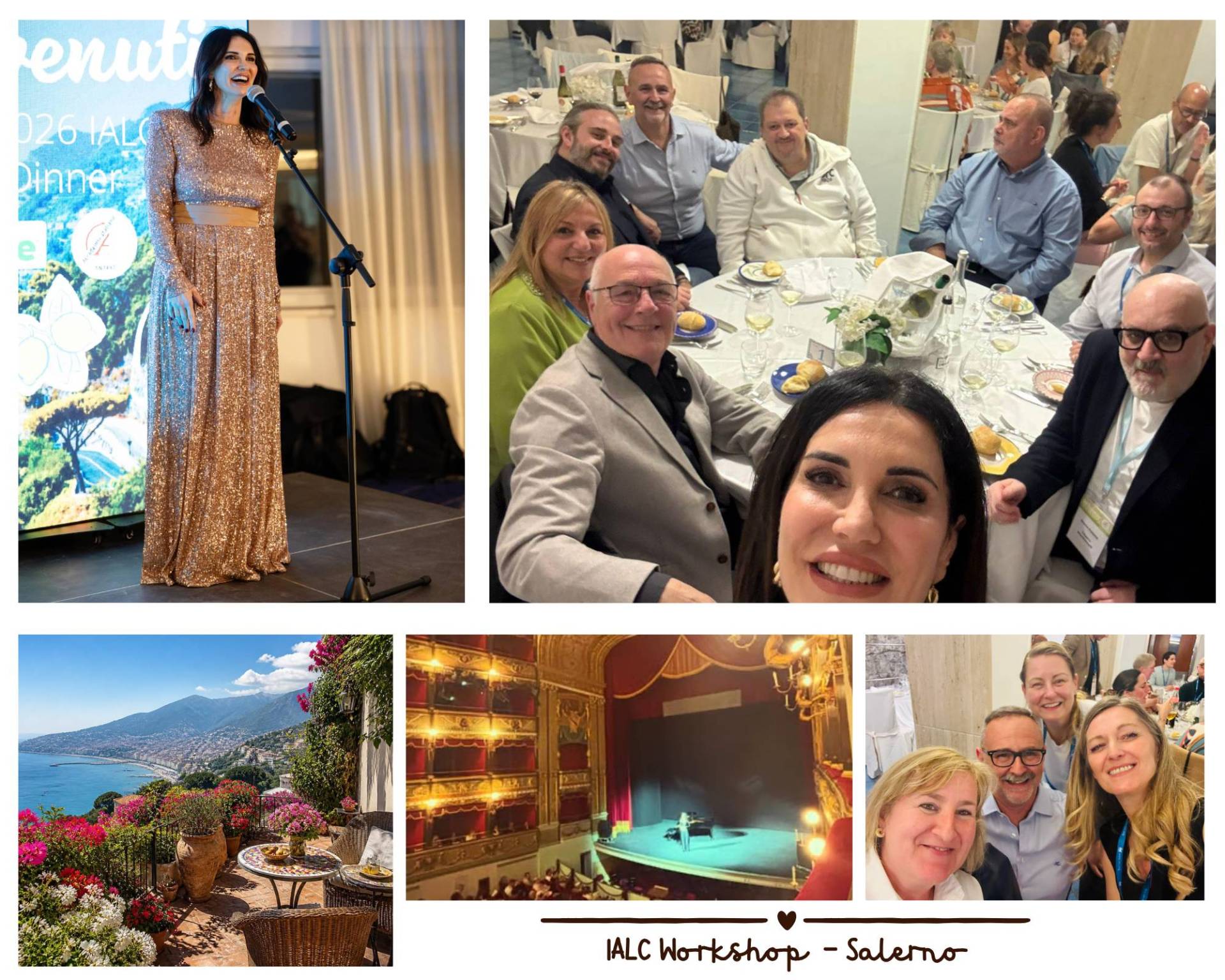
A milestone event for Italy — and for the South
The conference was coordinated by Francesca Romana Memoli, Vice President of ASILS and Director of Accademia Italiana Salerno, who managed the event with remarkable professionalism and vision.
For many international operators, this was the first opportunity to discover Southern Italy directly — not simply as a destination, but as an authentic cultural experience.
Salerno became the symbol of a broader and more contemporary vision of Italy: a country made up of diverse and complementary territories, each capable of offering its own educational and cultural richness.
More than language: education through culture
In Italy, teaching a language means far more than teaching grammar.
It means sharing a way of life, a cultural identity, and a human experience deeply connected to the territory itself.
ASILS schools have always represented this educational philosophy:
In an increasingly standardised world, this connection between education and territory remains one of Italy’s most authentic and irreplaceable strengths.
Salerno as a moment of awareness
The presence of Italian schools within IALC was not merely symbolic, but a clear message:
Italy is not simply one destination among many, but a rich and complex cultural system.
From major cities to smaller towns, every school and every territory offers something different.
This diversity is a strength — but it also requires a shared vision.
International standards and Italian identity
During the conference, ASILS was invited to join the FELCA–GAELA guidelines, a strategic step that could:
- increase international visibility
- strengthen student trust
- align Italian schools with global quality standards
Yet the real challenge remains preserving the unique identity of Italian language education without sacrificing authenticity for uniformity.
The value of the network
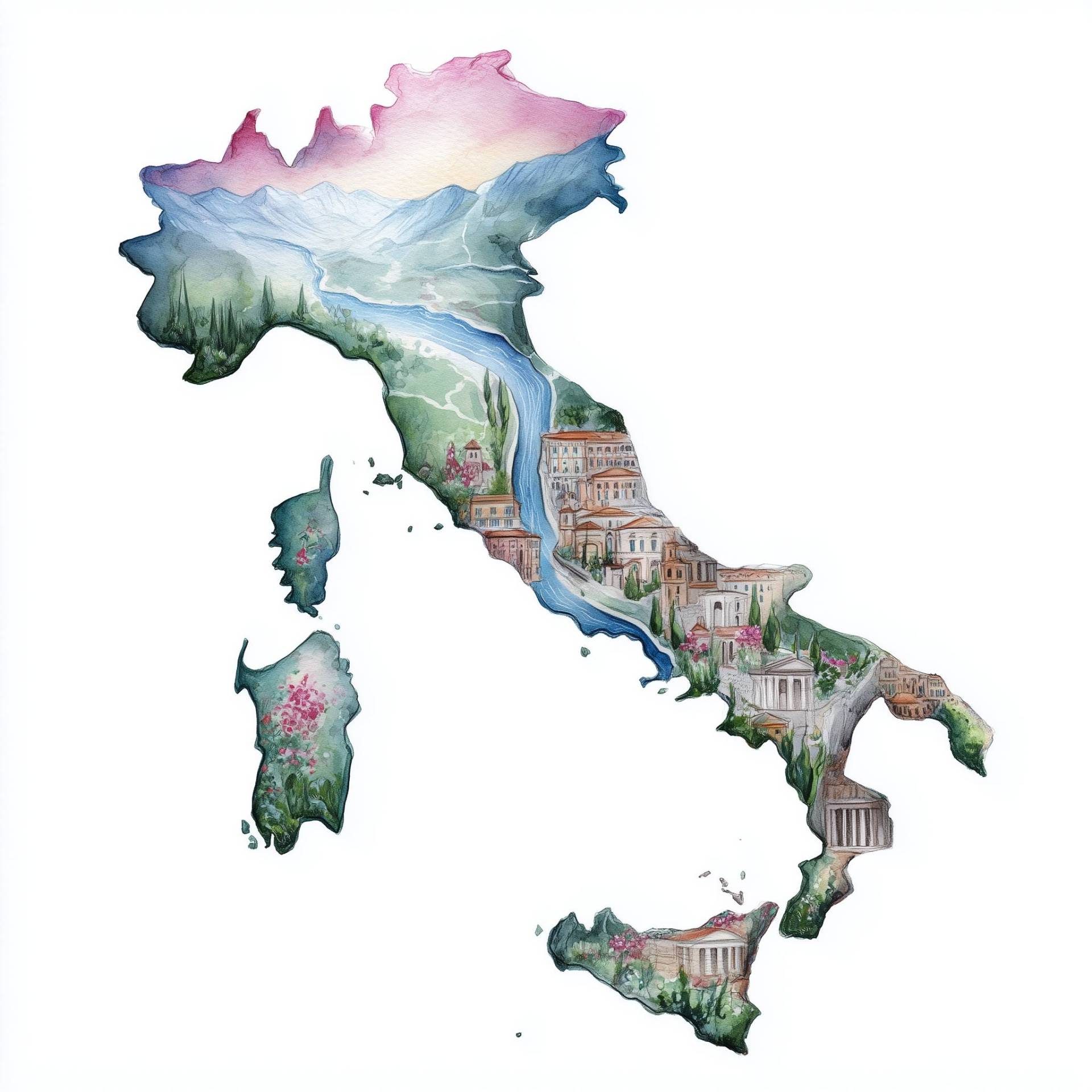
One of the strongest messages to emerge from Salerno was that no school can face the challenges of the global market alone.
ASILS represents a fundamental network capable of:
- sharing standards and quality
- promoting local territories
- telling the story of Italy in all its diversity
From major cities to smaller destinations, every school contributes to a broader vision of Italy as a country where education, culture, and human connection are inseparable.
Salerno was not a conclusion — but the beginning of a new phase.
The IALC Salerno 2026 Conference concluded with remarkable success, bringing together cultural events, institutional meetings, and strong international participation.
But above all, it delivered a clear message: educational tourism is a strategic and growing sector built on quality, cooperation, and cultural mobility.
For ASILS schools, the next challenge is transforming this shared heritage into a long-term strategy:
strengthening international presence while preserving the authenticity that makes studying Italian in Italy truly unique.
In this journey, ASILS will continue to serve as a point of reference — not simply as a network of schools, but as a network of territories.
