


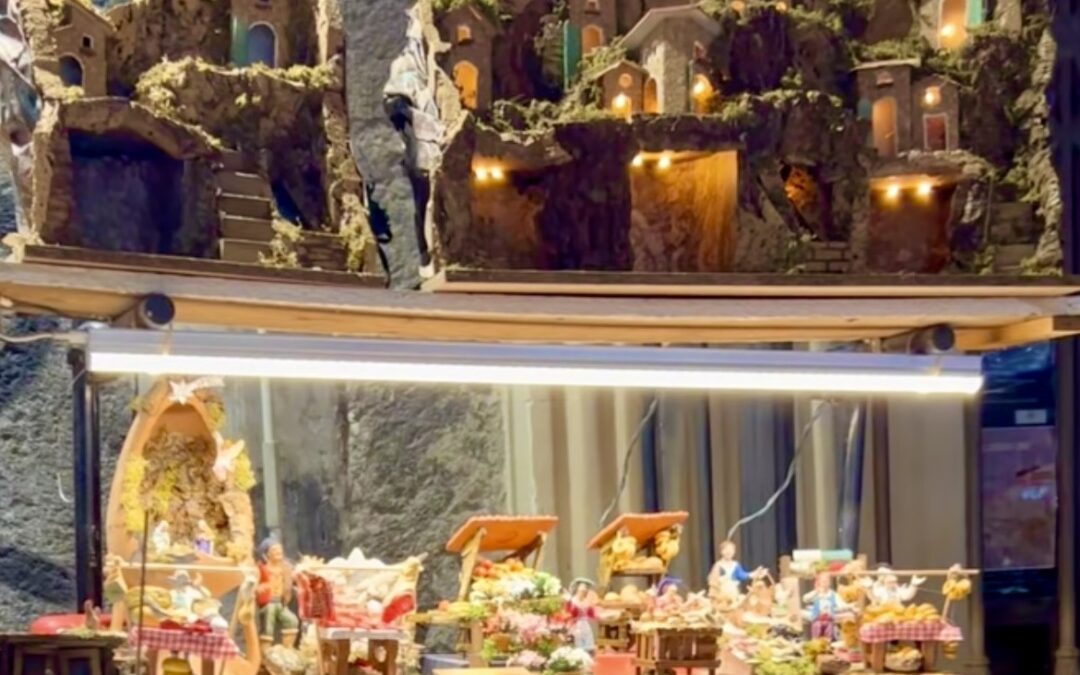
The Italian Nativity Scene: Naples, Tradition and Cultural Fascination
Italy is internationally renowned for its art, architecture, cuisine and lifestyle. Yet some of the most authentic and fascinating expressions of Italian culture are not found in museums or monuments, but in living traditions that continue to shape everyday life.
One of these traditions is the Italian Nativity scene, known as the presepe. More than a simple Christmas decoration, the presepe is a complex cultural narrative, a visual story that blends history, religion, craftsmanship and social identity.
Among all Italian cities, Naples holds a special place. Here, the Nativity scene is not only preserved but constantly reinvented, making it one of the most powerful cultural experiences for visitors, Italian language students and even Italians themselves.
The Origins of the Italian Presepe
The tradition of the Nativity scene in Italy dates back to the 13th century and is traditionally associated with Saint Francis of Assisi, who created the first living Nativity in Greccio in 1223. From that moment on, the presepe spread across Italy, adapting itself to different regional cultures, artistic traditions and social contexts.
In northern Italy, Nativity scenes often remain sober and closely linked to the biblical narrative. In southern Italy, and especially in Naples, the presepe evolved into something far more complex: a miniature theatre of human life, where the sacred coexists naturally with the everyday.
Naples and the Art of Storytelling
Naples is a city that tells stories. Its streets, dialect, music and gestures all contribute to a deeply expressive cultural identity. The Neapolitan Nativity scene reflects this storytelling tradition perfectly.
In a Neapolitan presepe, the birth of Christ is only the starting point. Around it unfolds an entire world: market scenes, taverns, musicians, bakers, fishermen, women chatting, children playing and animals resting.
Each figure has a symbolic meaning, often rooted in popular beliefs and ancient traditions. For language students, this represents an extraordinary opportunity to understand how Italian culture expresses itself visually and symbolically.
Via San Gregorio Armeno: A Living Cultural Workshop
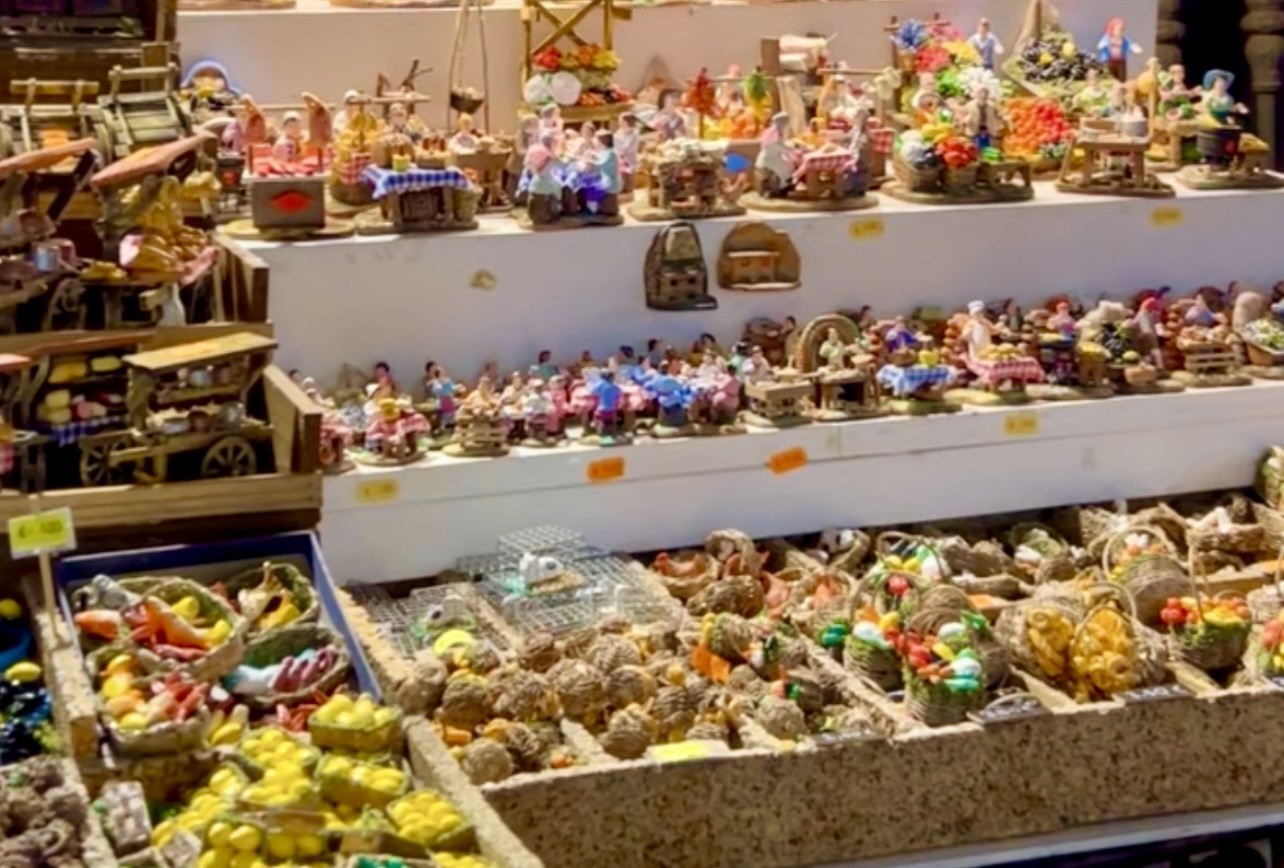
At the heart of this tradition lies Via San Gregorio Armeno, a narrow street in the historic center of Naples, known worldwide as the street of Nativity scenes. Here, artisan workshops have been operating for generations, passing down techniques and knowledge from father to son.
Figurines are still handmade using terracotta, wood, fabric and paint. Walking along Via San Gregorio Armeno is not simply sightseeing, but an immersive cultural experience where visitors hear authentic Neapolitan Italian, observe traditional craftsmanship and interact directly with local artisans.
Why the Presepe Matters for Italian Language Students
Studying Italian is not only about learning grammar and vocabulary. It is about understanding how Italians think, feel and communicate. The Neapolitan Nativity scene offers a natural learning environment, where students encounter authentic language, cultural references and social interaction.
If you are interested in studying Italian in this unique cultural context, you can discover Italian language schools in Naples here:
Study Italian in Naples – ASILS
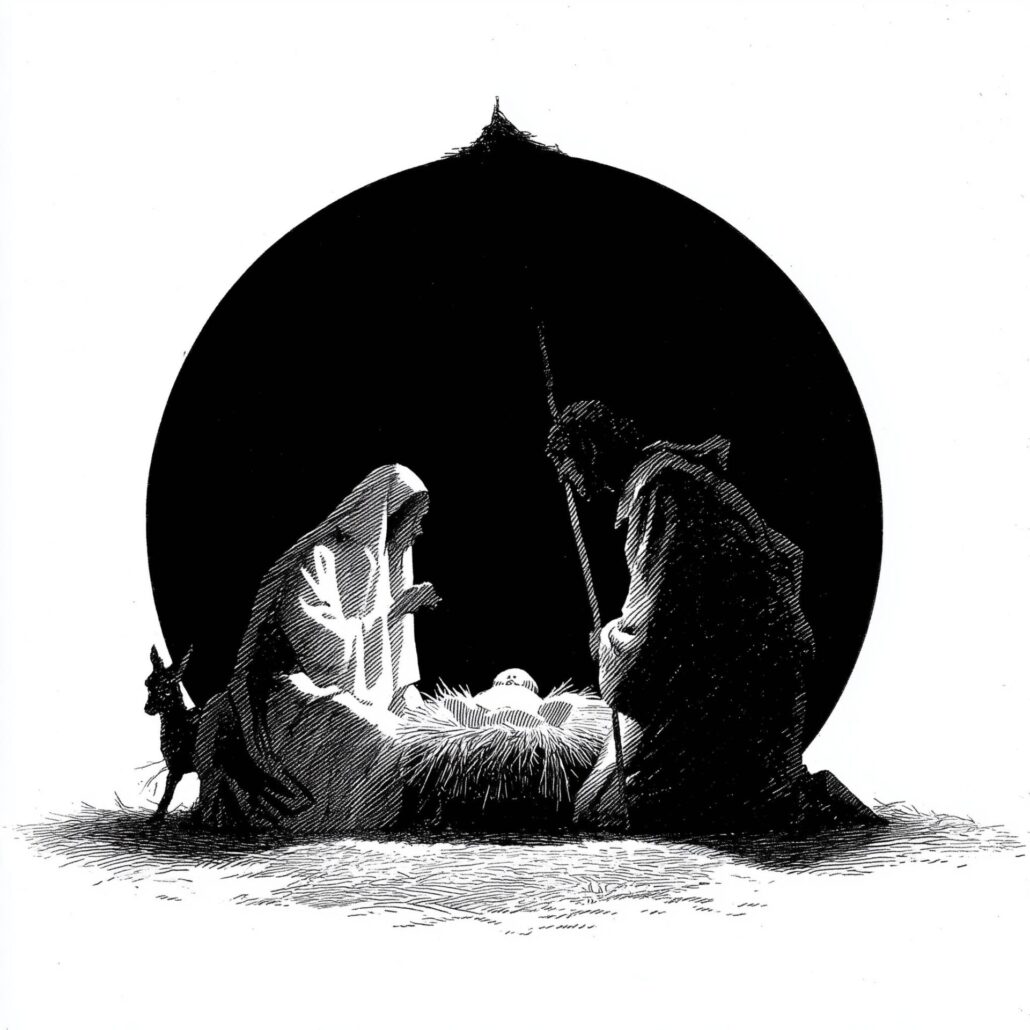
In a world dominated by speed and digital images, the Neapolitan presepe remains deeply human. It invites observation, reflection and dialogue — exactly what language learning should be about.
🎄 Merry Christmas and Happy Holidays 🎄
May this festive season bring peace, inspiration and meaningful cultural exchanges to all ASILS schools, teachers and students around the world.
🎄 Buon Natale e Felici Feste 🎄
Che questo periodo di festa porti serenità, ispirazione e nuove occasioni di incontro con la lingua e la cultura italiana.
