


Rome has always lived with time in a different way. Ancient and modern, sacred and everyday, monumental and intimate coexist here naturally. During the Jubilee Year, this balance becomes visible, tangible, and deeply human. The Jubilee is not only a religious event, nor merely a historical tradition. It is a moment when Rome opens itself to the world and invites millions of people to walk through its streets with a renewed sense of meaning.
As the Jubilee Year comes to its close, Rome does not simply return to normal. Something remains. In the rhythm of the city, in the restored spaces, in the memories of those who passed through, and in the awareness that culture, faith and daily life can still speak to one another in powerful ways.
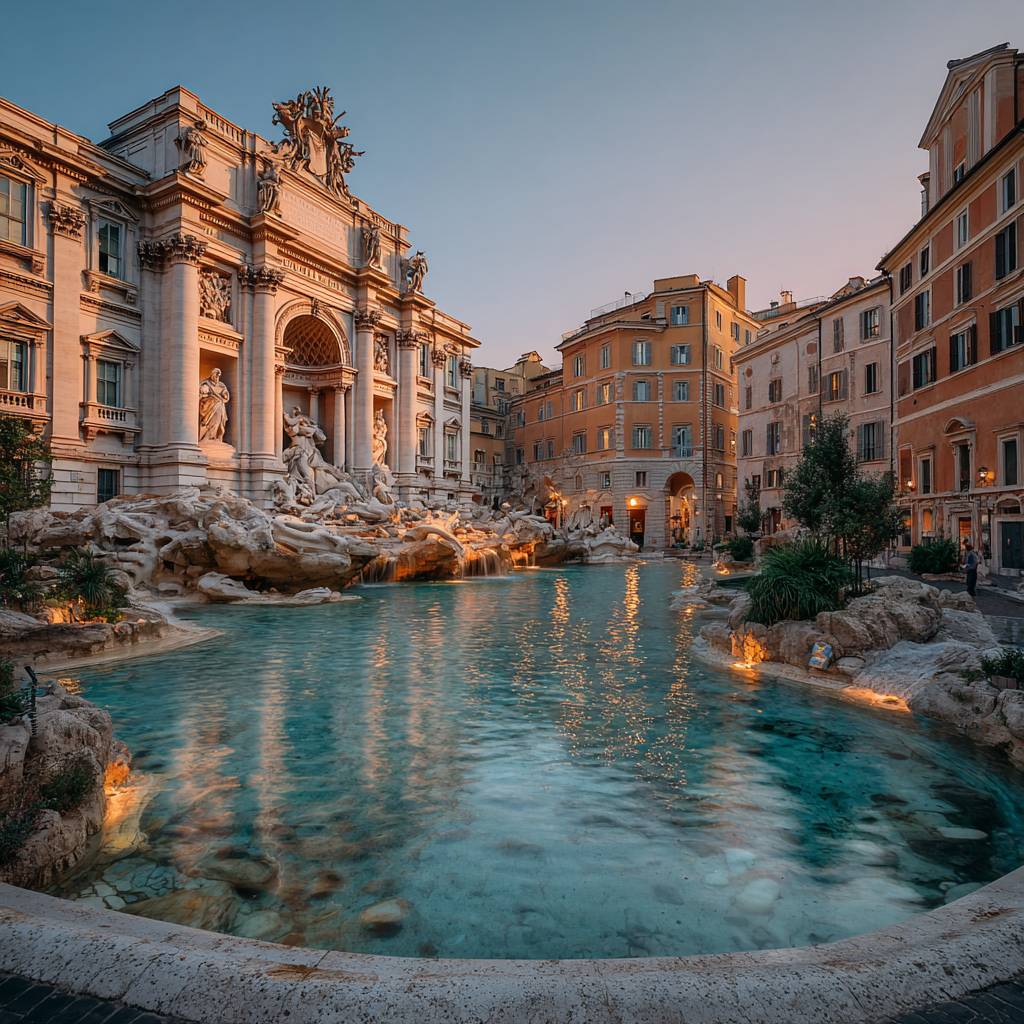
What the Jubilee Really Means
The word “Jubilee” originates from an ancient concept of renewal and liberation. In the Christian tradition, it represents a special time dedicated to forgiveness, reconciliation and reflection. But in Rome, the Jubilee has always gone beyond its spiritual definition. It reshapes the city itself, influencing its cultural life, its public spaces and its relationship with visitors.
During the Jubilee Year, Rome becomes a crossroads of languages and cultures. Pilgrims, students, volunteers, tourists and residents share the same spaces. The city listens, welcomes and adapts. Streets become places of encounter, not just transit. Churches become spaces of silence, but also of dialogue. Museums, exhibitions and cultural events flourish alongside religious celebrations.
This is why the Jubilee can be understood as a cultural phenomenon as much as a religious one. It invites people to slow down, to observe, to reflect and to engage with Rome in a deeper way.
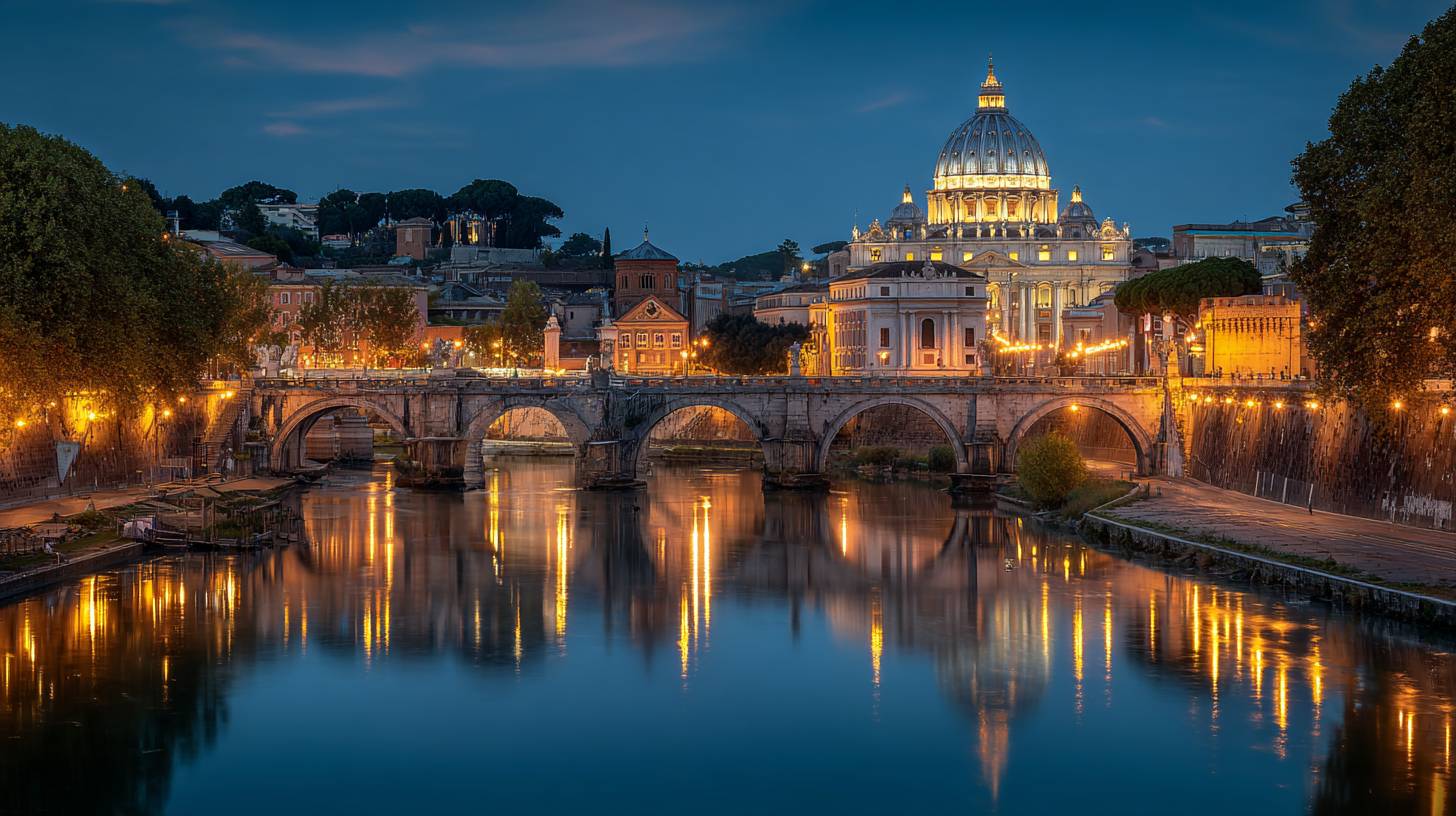
The Closing of the Jubilee: An Ending That Is Also a Beginning
The closing of the Jubilee Year is marked by a powerful symbolic gesture: the closing of the Holy Door. This act does not signify an end in the conventional sense. Rather, it represents a transition. What has been experienced during the Jubilee is meant to continue in everyday life.
For Rome, this moment is particularly meaningful. The city absorbs the energy of the year and carries it forward. Infrastructure improvements, restored monuments and renewed public spaces remain. More importantly, a renewed sense of openness and cultural awareness persists.
For those who lived in Rome during the Jubilee, even temporarily, the closing marks a moment of reflection. What has this year changed? What has it revealed about the city, about Italy, and about ourselves?
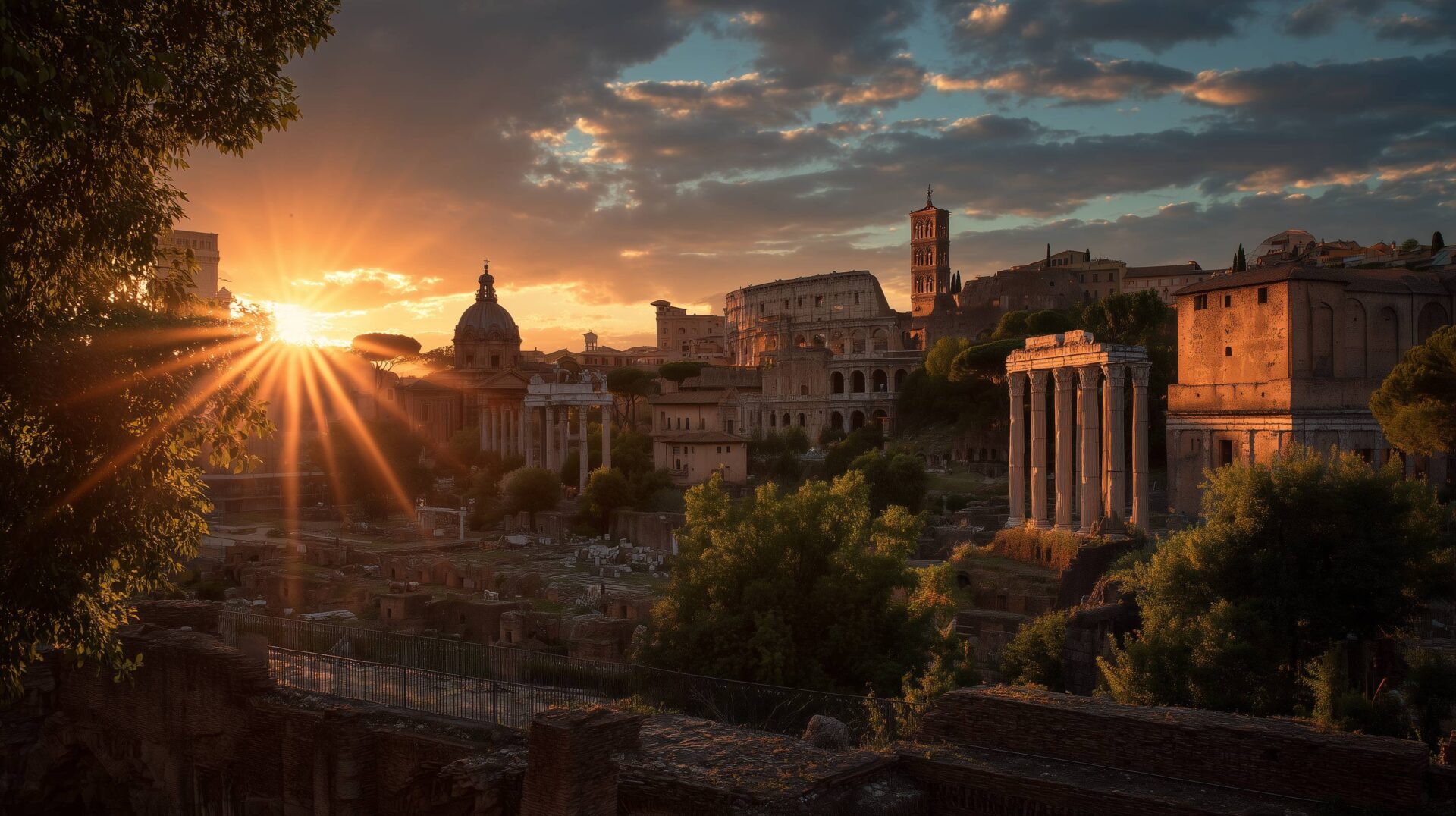
Rome as a Classroom: Culture, Language and Lived Experience
Experiencing Rome during a Jubilee year offers a unique perspective for anyone interested in Italian culture and language. Language is not learned in isolation; it is absorbed through context, interaction and lived experience. During the Jubilee, Italian is heard in its many registers: formal and informal, institutional and spontaneous, regional and international.
Conversations happen everywhere: in cafés, on buses, in museums, in parish halls and public squares. For Italian language students, this environment becomes an open classroom where learning is constant and authentic.
Studying Italian in Rome during or after a Jubilee year means engaging with a city that has recently reflected on its identity, its values and its role in the world. It means learning a language that carries centuries of history but is spoken every day with warmth, irony and emotion.
For those interested in combining language study with cultural immersion, discovering opportunities to study Italian in Rome is a natural next step.
Discover how to study Italian in Rome with ASILS schools
Rome as a City of Hospitality
One of the most visible effects of the Jubilee Year has been the way Rome redefined its relationship with hospitality. Welcoming millions of visitors required not only logistical organization, but a cultural attitude rooted in listening, patience and openness. Rome has always been a city of arrivals, but during the Jubilee this dimension became central.
Hospitals, volunteer networks, parishes, cultural institutions and schools collaborated to support pilgrims and visitors. This collective effort revealed a side of Rome that is often overlooked: a city capable of adapting, cooperating and rediscovering its sense of community.
The Jubilee as an Intercultural Experience
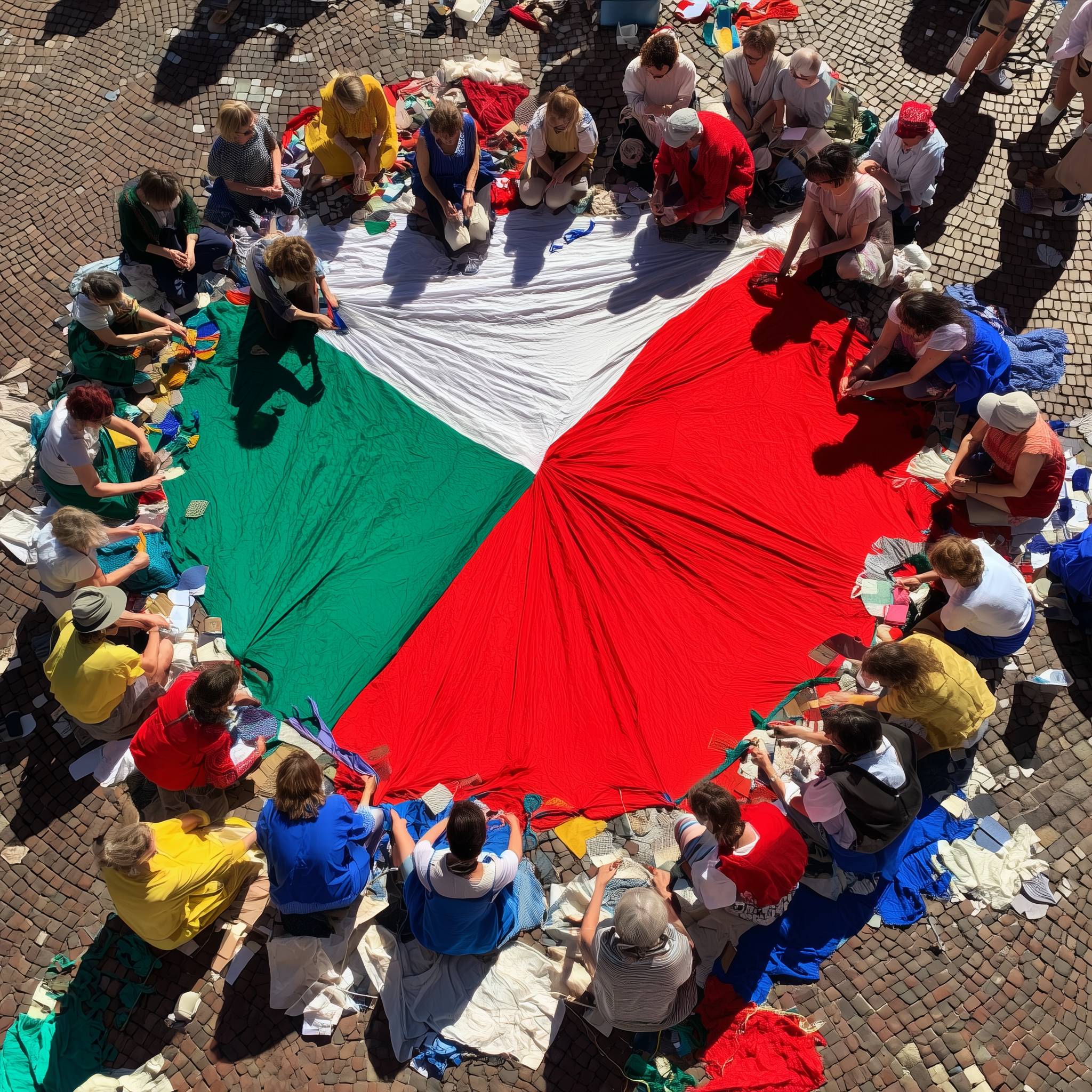
The Jubilee Year transformed Rome into a truly global city. Visitors arrived from every continent, bringing with them languages, traditions and perspectives. This diversity did not dilute Rome’s identity; instead, it highlighted its ability to act as a meeting point between cultures.
In this context, Italian functioned as a bridge language. Even those who spoke only basic Italian found themselves using it to connect, ask questions and participate in shared experiences. This is one of the most powerful lessons of the Jubilee: language does not need to be perfect to be meaningful.
What Remains After the Jubilee
As the Holy Door closes and the official celebrations end, Rome enters a new phase. The city returns to its familiar rhythm, but it does so transformed. Physical improvements remain visible in restored areas and improved infrastructure. Less visible, but equally important, are the changes in perception.
The Jubilee has reinforced the idea of Rome as a living city, not a static museum. A place where history is not frozen, but constantly reinterpreted through contemporary experiences. This awareness affects how Rome presents itself to visitors and how residents relate to their own city.
Learning Italian Through Culture
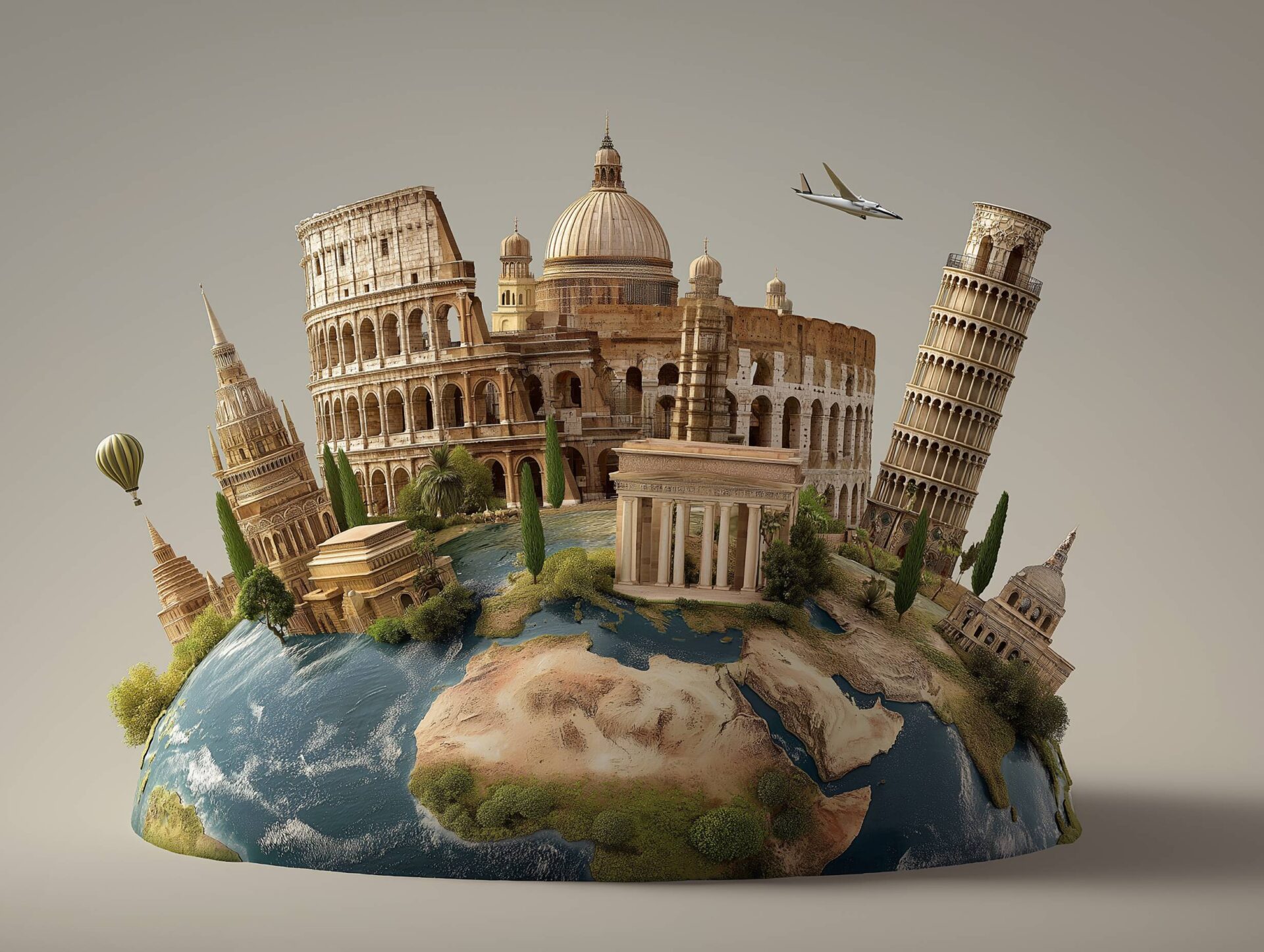
Studying Italian is ultimately about more than mastering grammar rules or expanding vocabulary. It is about understanding how Italians relate to time, space, tradition and community. Events like the Jubilee provide a powerful cultural framework for this understanding.
In Rome, language learning happens naturally through exposure to history, art, public life and everyday conversations. The Jubilee intensified this process by creating countless situations where communication mattered — not for efficiency, but for connection.
Learn more about studying Italian in Rome with ASILS schools
A City That Continues to Speak
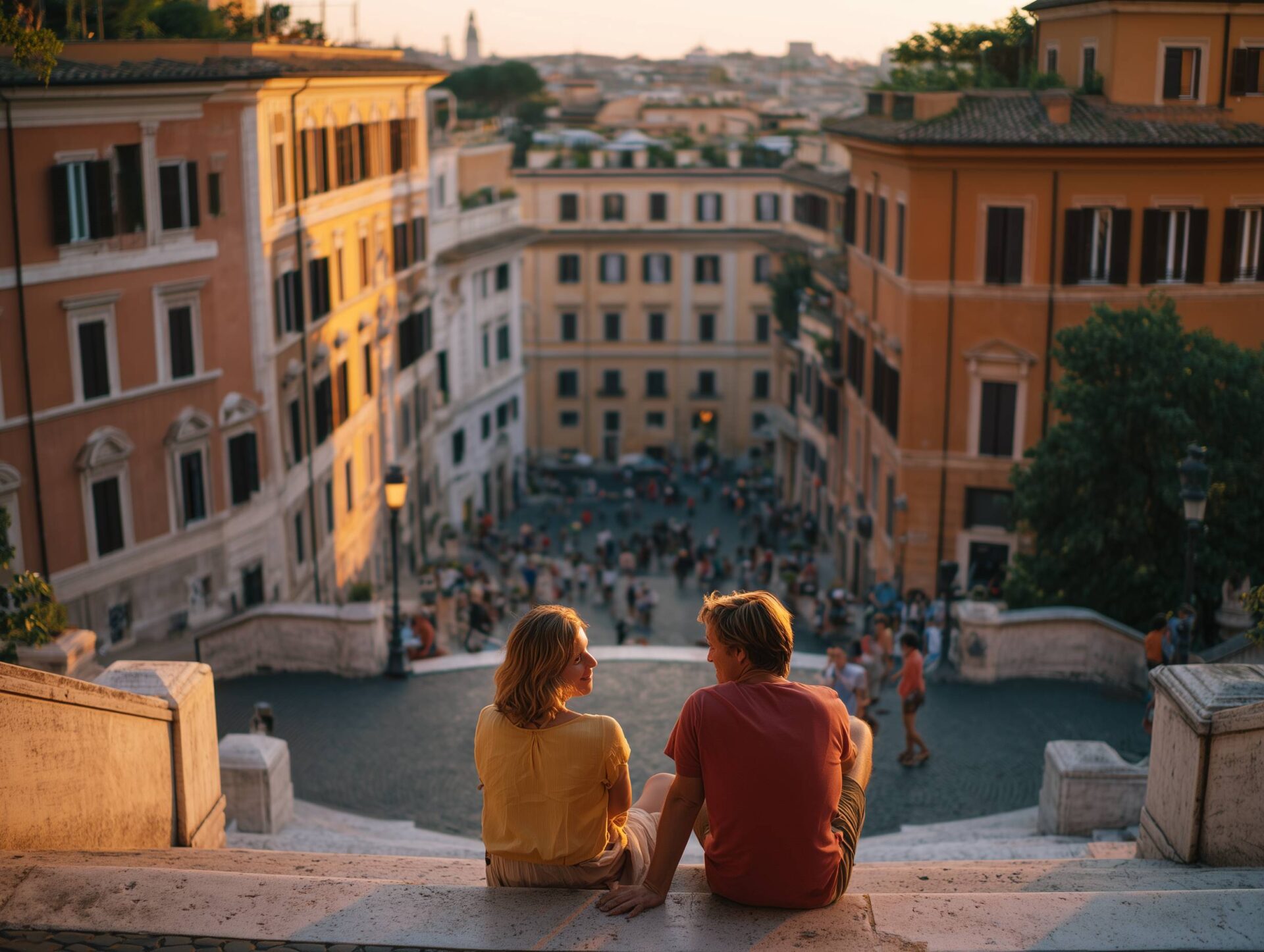
Rome does not stop speaking once the Jubilee ends. Its streets, monuments and people continue to tell stories — quietly, patiently, every day. The Jubilee simply amplified this voice, reminding the world that culture is not something to be consumed quickly, but something to be lived.
For those who listen carefully, Rome remains an open book. A place where learning happens not only in classrooms, but in squares, churches, cafés and conversations. Where language and culture are inseparable, and where every visit leaves a trace.
In this sense, the Jubilee was not an exception, but a revelation. It showed what Rome has always been: a city capable of welcoming the world, reflecting on itself and transforming experience into meaning.
